
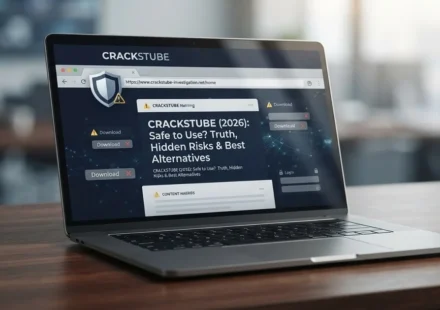
The search for free software often leads users toward websites and communities associated with cracks, patches, key generators, and unauthorized copies. A query such as software software crackstube may reflect an attempt to locate cracked applications or learn more about websites offering modified software.
The appeal is understandable: commercial applications can be expensive, and users may want to test a program before paying for it. However, downloading software from unofficial sources can introduce problems that are easy to overlook. Security threats, privacy concerns, unstable installations, licensing issues, and hidden modifications can turn an apparently free download into a costly mistake.
Understanding how cracked software works and knowing the safer alternatives can help users make better decisions without sacrificing access to useful technology.
What Does “Cracked Software” Mean?
Cracked software generally refers to a modified version of an application designed to bypass restrictions imposed by its developer or licensing system.
Those restrictions might include:
- A paid activation requirement
- Subscription verification
- Trial-period limitations
- License-key validation
- Digital rights management
- Feature restrictions
- Server-based authentication
A crack may modify an application’s files or interfere with the normal licensing process. Key generators and unauthorized activation tools are other methods commonly associated with software piracy.
The important distinction is that downloading a legitimate free version of software is not the same as obtaining a modified copy that bypasses its licensing requirements.
Why Do People Search for Software Cracks?
Cost is one of the most common motivations. Professional applications for video editing, graphic design, office productivity, development, and other specialized tasks can cost hundreds of dollars annually.
Other users may be motivated by convenience. They may find an unofficial download faster than creating an account, purchasing a license, or waiting for a trial.
There is also a large amount of misinformation surrounding cracked software. Some users assume that if antivirus software does not immediately detect a file, the download must be safe. That conclusion is unreliable because security software cannot guarantee that every modified or malicious file is harmless.
For people searching for software crack websites, the more useful question is often not “Where can I find a working crack?” but “How can I get this software or an equivalent capability safely and affordably?”
What Are the Security Risks of Cracked Software?
One of the biggest concerns with unauthorized software is that users cannot easily verify what has been changed.
When an application comes directly from its developer, there is normally a defined distribution channel and a mechanism for verifying its authenticity. With a modified executable obtained from an unknown source, that chain of trust can be broken.
Malware and Trojans
A cracked installer can potentially contain malicious code alongside the intended application.
Depending on the malware involved, an infected Software software crackstube computer could face problems such as unauthorized access, credential theft, ransomware, spyware, or other forms of compromise.
The danger is particularly significant when users disable antivirus or operating-system protections because a download guide instructs them to do so.
Password and Account Theft
Some malicious programs are designed to collect credentials stored on a device or capture information entered into browsers and applications.
A user may believe they are installing a video editor or productivity application while the modified installer performs additional activities in the background.
This can expose email accounts, cloud services, social media accounts, financial information, and other sensitive data.
Hidden Remote Access
Another concern is unauthorized remote access.
If malicious software installs a remote-access component, an attacker may potentially interact with the compromised machine without the owner’s knowledge. Detecting this type of activity can be difficult for an inexperienced user.
Unwanted Software
Not every dangerous download behaves like obvious malware. Some unofficial installers may bundle unwanted applications, browser modifications, advertising software, or other components.
Even when the main program appears to function normally, the additional software can create privacy, performance, or usability problems.
Why Antivirus Software Is Not a Complete Guarantee
A common misconception is that antivirus software makes cracked applications safe.
Security software is an important part of protecting a computer, but it should not be treated as a guarantee that an unauthorized application is trustworthy.
A modified program may use techniques designed to evade detection. New malware can also appear before security vendors have fully analyzed it.
There is another problem: some instructions for installing cracks explicitly tell users to disable security protections. Doing so removes an important layer of defense at exactly the point when the user is installing software from an untrusted source.
A safer approach is to obtain applications through official developers, reputable app stores, or established open-source repositories.
Software Licensing Matters
Software licenses determine how an application can legally be installed, copied, modified, and distributed.
Commercial software commonly uses proprietary licenses that restrict unauthorized copying or modification. Distributing or using a cracked version can therefore violate the software’s licensing terms and, depending on the circumstances and jurisdiction, potentially raise copyright or other legal issues.
The rules vary by country and situation, so users with specific legal concerns should consult an appropriate legal professional.
For ordinary software users, the simplest approach is to use a properly licensed version or choose software that is intentionally distributed under a free or open-source license.
Free Does Not Have to Mean Pirated
One of the most useful alternatives to cracked software is legitimate free software.
Many developers offer free versions of their applications with different levels of functionality. Others provide free trials, educational licenses, community editions, or limited plans.
Open-source software provides another important option. Depending on its license, users can often obtain, inspect, modify, and distribute the software under specified conditions.
Popular categories with legitimate free or open-source alternatives include:
Office and Productivity Software
Users who need basic documents, spreadsheets, and presentations can consider free office suites instead of obtaining unauthorized copies of commercial applications.
Image Editing
There are established free and open-source image editors that provide many capabilities traditionally associated with expensive commercial products.
Video Editing
Free video editors are available for users who need cutting, transitions, audio editing, effects, and other common production features.
Development Tools
Developers have access to numerous free code editors Software software crackstube, integrated development environments, compilers, libraries, and command-line tools.
Security Software
Operating systems and reputable security vendors also provide legitimate security tools that can help protect users without requiring pirated applications.
How to Check Whether a Software Download Is Trustworthy
Before installing unfamiliar software, users can take several practical steps.
First, visit the developer’s official website and verify the application’s name and current version. Avoid relying solely on a search-engine result because unofficial pages can sometimes imitate legitimate download sites.
Next, check whether the developer provides cryptographic hashes or digital signatures for downloads. When available, these mechanisms can help verify that a downloaded file corresponds to the published release.
Users should also examine the software’s licensing information, system requirements, privacy policy, and reputation.
Finally, be cautious with installers that request unusual permissions or instruct users to disable security protections.
Warning Signs of an Untrustworthy Download
Certain behaviors should make users pause before installing software.
Examples include:
- Instructions to disable antivirus protection
- Password-protected archives from unknown sources
- Multiple unexpected executable files
- Aggressive pop-ups or redirects
- Fake download buttons
- Requests for unrelated personal information
- Claims that security warnings must be ignored
- Programs distributed through anonymous file-sharing pages
- Unexpected browser extensions
- Installation instructions involving suspicious system modifications
None of these signs alone proves that a file is malicious, but several together should be treated as a serious warning.
What If You Already Installed Cracked Software?
If a user has already installed an unauthorized application and suspects something is wrong, the safest response is to stop using the questionable program and investigate the device.
A reasonable first step is to disconnect the computer from the internet if there is an active concern about compromise. Run a security scan using reputable, up-to-date security software and review recently installed applications.
Important passwords should be changed from a separate, trusted device when account compromise is possible. Multifactor authentication can provide another layer of protection for supported accounts.
If sensitive information may have been exposed or the computer shows signs of serious compromise, professional technical assistance may be appropriate.
For particularly serious infections, reinstalling the operating system from trusted installation media may be considered after important files have been safely backed up.
How to Save Money Without Using Cracked Software
Users looking for a lower-cost option have several legitimate strategies.
Many commercial developers offer monthly or annual plans, while others provide perpetual licenses. Students and educators may qualify for discounted or free access. Some companies provide limited free editions for personal use.
Another option is to compare competing applications. A program that costs hundreds of dollars may have free alternatives capable of handling the specific task a user actually needs.
Open-source communities are particularly valuable for people who are willing to learn a slightly different workflow.
The goal should be to identify the required function rather than becoming attached to one specific commercial application.
Why Official Downloads Are Usually the Safer Choice
Official distribution channels provide important advantages beyond licensing.
Developers can publish security updates, bug fixes, compatibility improvements, and new features through established channels. Users can also contact support or consult official documentation when problems occur.
By contrast, an unofficial modified version may stop receiving updates or contain changes that are unknown to the original developer.
For software that handles passwords, financial information, business documents, customer data, or other sensitive material, maintaining a trustworthy software supply chain becomes especially important.
Frequently Asked Questions
Is cracked software safe to use?
There is no reliable way to assume that a cracked application is safe simply because it appears to work. Modified software comes from an unofficial distribution chain and may contain unwanted or malicious changes.
Is downloading cracked software legal in the United States?
The legal consequences depend on the specific circumstances, software license, activity, and applicable law. Unauthorized copying or distribution can create copyright and licensing issues. Users with a specific legal question should seek professional legal advice.
Can antivirus software detect every cracked program?
No. Antivirus software can detect many known threats, but no security product provides an absolute guarantee. A clean scan does not establish that an unofficial application is trustworthy.
Are free software alternatives available?
Yes. Many categories have legitimate free, open-source, trial, educational, or limited-feature alternatives. The right option depends on the user’s specific requirements.
Why do some cracks require antivirus to be disabled?
Some modified applications trigger security warnings because they alter executable files or behave in ways security software considers suspicious. Instructions to disable protection should therefore be treated as a significant warning rather than proof that the program is safe.
What is the difference between freeware and cracked software?
Freeware is software intentionally distributed without a purchase price under terms established by its developer. Cracked software is generally a modified version intended to bypass restrictions on licensed software. They are not equivalent.
Can cracked software receive official updates?
Usually, modified applications do not provide the same reliable update process as officially licensed installations. Attempts to update them can also break the modification or create additional security concerns.
What should I use instead of a cracked application?
Start by checking whether the developer offers a free edition, trial, discounted license, or subscription option. If those do not fit your needs, look for reputable open-source or free alternatives that provide the required features.
How can I verify a software download?
Use the developer’s official website whenever possible. If the developer publishes Software software crackstube hashes or digital signatures, compare the downloaded file against the official information. Avoid relying on unknown download mirrors.
Is open-source software safer than cracked software?
Open-source and cracked software are fundamentally different categories. Open-source projects are distributed under defined licenses and can often be inspected and developed transparently. However, users should still download open-source applications from trustworthy project or distribution channels.
Conclusion
Searches such as software software crackstube often reflect a desire to obtain expensive applications without paying the full commercial price. But an unofficial download can introduce security, privacy, licensing, and reliability concerns that are difficult to evaluate before installation.
Users do not have to choose between expensive software and questionable downloads. Free editions, trials, educational programs, legitimate discounts, freeware, and open-source projects can provide practical alternatives for many common needs.
The safest starting point is straightforward: identify the task you need to accomplish, find reputable software that supports it, and obtain that software through a trustworthy distribution channel. That approach provides a much stronger foundation for keeping both your computer

One thought on “Software software crackstube What Users Should Know Before Downloading”
Comments are closed.