

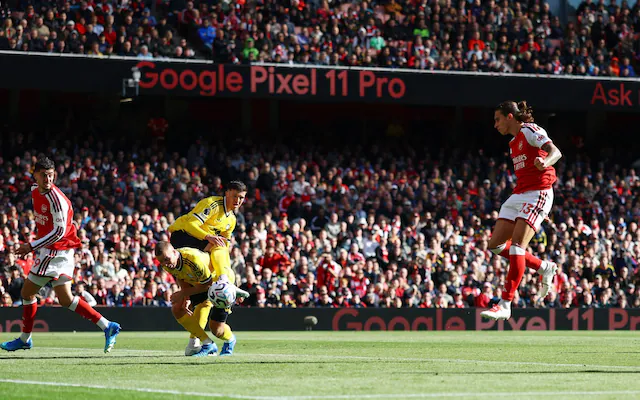
Arsenal – leeds United is a Premier League matchup that brings together two English soccer clubs with distinct footballing identities, passionate supporters, and a history of competitive encounters. Arsenal are traditionally associated with technical quality, structured possession, and intricate attacking combinations, while Leeds United have often been recognized for their intensity, direct transitions, and energetic approach to pressing.
Whenever these teams meet, the contest can be shaped by more than individual talent. The way Arsenal move the ball through midfield, how Leeds respond to pressure, and which team handles transitions more effectively can all influence the outcome. Small tactical details, including the positioning of fullbacks and the timing of counterattacks, can determine whether a team controls the game or spends long periods defending.
For supporters following Arsenal – Leeds, understanding these factors provides a more complete picture of the matchup. Rather than focusing exclusively on the final score, it is worth examining the tactical approaches, potential individual battles, historical context, and strategic decisions that make this fixture interesting.
Arsenal vs. Leeds United: Understanding the Two Teams
Arsenal and Leeds United have different histories and traditions, but both clubs have maintained strong identities within English soccer.
Arsenal’s Emphasis on Possession and Structure
Arsenal have developed a modern playing style built around technical ability, coordinated movement, and organized possession. Their attacking approach frequently involves patient buildup, combinations in tight spaces, and attempts to create numerical advantages in important areas of the field.
A typical Arsenal attack begins with defenders circulating the ball to draw opponents forward. Midfielders then look for opportunities to receive between the opposition’s defensive and midfield lines. Wingers provide width, while overlapping or inverted fullbacks can create additional passing options.
The objective is not simply to maintain possession. Arsenal seek to use the ball to move defenders out of position and open spaces for forward passes, cutbacks, and shots from dangerous areas.
When this structure works effectively, opponents can find it difficult to recover the ball without leaving gaps elsewhere. However, possession alone does not guarantee success. Arsenal must still turn territorial control into meaningful scoring opportunities.
Leeds United’s Energy and Attacking Intent
Leeds United have frequently been associated with an aggressive, high-energy style of play. Depending on the manager, squad, and competition, the team may use high pressing, quick forward passes, overlapping runs, or rapid counterattacks to challenge opponents.
Pressing can be especially valuable against a team that prefers to build from the back. By closing passing lanes and putting immediate pressure on defenders, Leeds can attempt to force hurried decisions and win possession in advanced areas.
Their attacking threat may also come from moving the ball forward quickly after a turnover. Instead of allowing Arsenal to reorganize their defensive shape, Leeds can try to exploit the space left behind attacking fullbacks or advanced midfielders.
The challenge is maintaining this intensity without becoming stretched. If the press is bypassed, Leeds may need to defend large spaces against technically strong attackers.
The Tactical Battle That Could Decide Arsenal – Leeds
The most important aspect of this fixture is often the contrast between Arsenal’s positional organization and Leeds United’s ability to disrupt it. Both teams can create opportunities, but their success depends on how effectively they execute their plans against the opposition.
1. Arsenal’s Build-Up Play Against the Leeds Press
Arsenal’s defenders and goalkeeper can play an important role in determining how the match develops. When Leeds press aggressively, Arsenal must identify the safest and most effective routes through the first line of pressure.
Short passes can help Arsenal retain control, but they also carry risks if Leeds close down the ball quickly. A misplaced pass near the penalty area could create an immediate scoring opportunity for the visitors.
Arsenal can respond by switching play, using midfielders to create passing triangles, or playing directly into attackers positioned beyond the pressing line. These approaches force Leeds to make a decision: continue pressing high or retreat into a more compact defensive shape.
The outcome of this battle may influence possession, territorial control, and the number of opportunities created by both sides.
2. Leeds United’s Counterattacking Opportunities
When Arsenal commit players forward, space can appear behind their defensive line. Leeds may attempt to exploit these openings through quick passes into the channels or forward runs from wide positions.
Successful counterattacks generally require three elements: winning the ball, making an immediate forward decision, and supporting the initial pass with well-timed movement.
Leeds must also recognize when a counterattack is unlikely to succeed. Keeping possession for an extra moment can be more effective than forcing a difficult pass into a crowded area.
For Arsenal, defensive transitions become especially important. Midfielders need to react quickly after losing possession, while defenders must communicate to prevent opposing attackers from receiving the ball in dangerous positions.
3. Control of Central Midfield
The midfield battle can determine which team dictates the rhythm of the game. Arsenal may attempt to dominate the central areas through short passing combinations, positional rotations, and intelligent movement between the lines.
Leeds, meanwhile, can look to disrupt that rhythm by closing down receivers, challenging for second balls, and limiting the time available for forward passes.
Winning midfield does not necessarily mean having the highest possession percentage. A team can be effective by controlling dangerous spaces, forcing opponents toward the sidelines, and preventing clean entries into the penalty area.
The side that manages these details more Arsenal – leeds consistently could gain a significant advantage.
Key Players and Individual Matchups to Watch
Individual performances often determine whether a tactical plan succeeds. Although starting lineups and player availability vary from match to match, several positional battles deserve attention when analyzing Arsenal vs. Leeds United.
Arsenal’s Wingers Against Leeds’ Fullbacks
Wide attackers can be particularly influential when Arsenal face a team defending in a compact shape. Wingers who can beat opponents one-on-one may force Leeds to send additional defenders toward the sidelines.
This creates a difficult choice for the defending team. If a fullback receives sufficient support, the winger may have limited space to advance. If additional defenders move wide, gaps can open in central areas for midfielders or overlapping teammates.
Arsenal can also create opportunities by switching the ball quickly from one flank to the other. This forces the opposition to shift its defensive structure repeatedly, potentially creating space for a cross or cutback.
For Leeds, disciplined positioning and effective communication between fullbacks and center backs are essential to limiting these opportunities.
The Strikers’ Movement Inside the Penalty Area
Strikers influence matches through more than their finishing ability. Their movement can create openings for teammates, occupy central defenders, and force defensive lines to adjust.
Against an organized defense, a striker might move toward the near post to create space behind, drift into a channel, or drop deeper to connect midfield with attack. Each movement presents a different challenge for defenders.
Arsenal will want their forwards to combine intelligently around the penalty area. Leeds will need to monitor these movements while remaining alert to late runs from midfield.
The quality of the final pass is just as important as the striker’s positioning. Even well-timed movement can go unrewarded if teammates fail to recognize the opportunity.
Goalkeepers and Defensive Decision-Making
Goalkeepers can become central figures when a match features aggressive pressing and quick attacking transitions.
Arsenal may ask their goalkeeper to contribute to buildup play, helping the team maintain possession under pressure. Leeds may require their goalkeeper to handle crosses, manage space behind the defensive line, and respond to shots created by fast attacks.
Both goalkeepers also need to make effective decisions when defenders are drawn away from their preferred positions.
A well-timed interception, confident claim, or important save can change the momentum of a close contest.
Arsenal vs. Leeds: The Importance of Home Advantage
Home advantage can influence the atmosphere, confidence, and tactical approach of both teams. Playing in front of familiar supporters may encourage a team to attack with greater confidence, although the actual effect depends on the match circumstances.
Arsenal’s home matches at the Emirates Stadium can feature sustained periods of possession and pressure when the team establishes control. Opponents may be required to defend for extended stretches, making concentration and defensive organization especially important.
Leeds United have a passionate supporter base of their own, and their approach away from home may depend on the opponent’s strengths and weaknesses. A disciplined defensive setup combined with well-timed attacks can help an away side remain competitive.
Home advantage should not be treated as a guarantee of victory. Team selection, current form, injuries, tactical execution, and individual mistakes can outweigh the benefits of playing at home.
How Arsenal Can Create Scoring Opportunities
Arsenal’s route to goal may depend on how effectively they combine possession with penetration. Several attacking methods can help them challenge a compact Leeds defense.
Creating Overloads in Wide Areas
An overload occurs when a team places more players in a particular area than the opposition can comfortably defend. Arsenal may use a winger, an overlapping fullback, and a nearby midfielder to create this numerical advantage.
The additional passing options can help Arsenal progress toward the penalty area or force a defender to leave their assigned position.
Once the defensive structure shifts, a quick pass into the middle can create an opportunity for a shot or a low cross.
Using Cutbacks Instead of Relying on Crosses
Crosses can be useful, particularly when attackers have favorable positions inside the penalty area. However, repeatedly sending high balls toward a crowded box can make an attack predictable.
Cutbacks provide an alternative. An attacker reaches the byline or a position near the edge of the penalty area before passing the ball backward toward a teammate arriving in space.
These passes can create shooting opportunities from central areas and make it more difficult for defenders to protect both the goalmouth and the space around the penalty spot.
Improving Set-Piece Execution
Set pieces can be important when open-play opportunities Arsenal – leeds are limited. Corners and free kicks allow teams to rehearse movements designed to create space, disrupt defensive marking, and put attackers in favorable positions.
Arsenal can use varied delivery, decoy runs, and coordinated movement to challenge Leeds’ defensive organization. Leeds can pursue similar opportunities at the other end.
The quality of delivery, timing of runs, and ability to react to loose balls are all important. Neither team should assume that set pieces will automatically produce goals, but careful preparation can make them a valuable part of the overall strategy.
How Leeds United Can Challenge Arsenal’s Defense
Leeds do not necessarily need to dominate possession to threaten Arsenal. A clear tactical plan can help them create opportunities even when the opposition controls much of the ball.
Pressing With a Clear Objective
High pressing works best when players move together. If one attacker presses the ball while teammates fail to block nearby passing options, Arsenal may be able to bypass the pressure with a simple pass.
Leeds can improve their chances by directing Arsenal toward specific areas and closing the most dangerous passing lanes. The objective is to make the opponent’s buildup predictable rather than simply chasing the ball.
Pressing also requires careful energy management. Sustaining intense pressure throughout an entire match can be difficult, particularly when the opposition moves the ball quickly.
A team that chooses its pressing moments intelligently may preserve energy while still creating dangerous turnovers.
Attacking the Space Behind the Defense
Quick forward runs can test a defensive line that advances to support possession. Leeds may look for diagonal passes, through balls, or runs from wide attackers into the channels between defenders.
Timing is critical. A run made too early can result in an offside decision, while a delayed run may allow the defense to recover.
Arsenal can counter this threat through coordinated movement, pressure on the passer, and effective communication between defenders and goalkeeper.
Staying Compact Without Becoming Passive
Defensive compactness means limiting the space between defenders and midfielders while protecting the most dangerous areas of the field.
Leeds may need to defend in a compact shape when Arsenal have sustained possession. However, remaining too deep for too long can invite repeated attacks and make it difficult to move the ball away from danger.
A balanced approach allows Leeds to defend patiently while retaining opportunities to counterattack. Winning possession is only the first step; the team must also find a reliable way to progress up the field.
Arsenal vs. Leeds Head-to-Head: Why Historical Context Matters
The history between Arsenal and Leeds United adds another dimension to this fixture. Both clubs have experienced different periods of success, and their meetings have formed part of the broader story of English league soccer.
Arsenal have traditionally been among the country’s prominent clubs, with a history of domestic trophies and participation in European competitions. Leeds United have also enjoyed important periods of success, including major achievements in English football and memorable campaigns in the top division.
Historical results can help supporters understand the wider context of the rivalry, but they should not be used as a substitute for current analysis.
A previous victory does not guarantee another win, and older encounters may have limited relevance when managers, players, and tactical systems have changed.
When reviewing Arsenal vs. Leeds head-to-head records, it is useful to consider several factors:
- Recent meetings, which can reveal recurring tactical patterns.
- Home and away results, which help distinguish performance by venue.
- Goals scored and conceded, which provide context about attacking and defensive outcomes.
- Team selection and player availability, which can explain differences between matches.
- Competition context, since league matches and cup ties may involve different strategic priorities.
A balanced review of historical results can provide perspective without overstating their predictive value.
What Fans Should Watch During the Match
Supporters who want to understand Arsenal – Leeds beyond the scoreboard can focus on a few practical indicators.
Possession and Territory
Possession statistics show which team spends more time controlling the ball, but territory is also important. A team can have substantial possession without consistently reaching dangerous areas.
Watch whether Arsenal can move the ball into the attacking third and enter the penalty area with purpose. Also observe whether Leeds can turn defensive recoveries into meaningful attacks.
Pressing Success
Notice how often Leeds force Arsenal into rushed passes or turnovers. Equally important is whether Arsenal can bypass the press and find midfielders or attackers in space.
A press that looks energetic but rarely disrupts buildup may be less effective than one that creates a small number of high-quality opportunities.
Quality of Chances
The number of shots does not always reflect the quality of a team’s performance. Long-range attempts and difficult angles are generally less promising than clear opportunities created close to goal.
Pay attention to where shots originate, whether attackers receive the ball in space, and how frequently either side reaches dangerous positions.
Reactions After Losing Possession
The first few seconds after a turnover can reveal a great deal about a team’s organization. Arsenal may attempt to recover the ball quickly, while Leeds may look for an immediate forward pass.
The ability to respond decisively after losing possession can prevent counterattacks and create additional scoring opportunities.
Frequently Asked Questions About Arsenal vs. Leeds United
1. What is Arsenal vs. Leeds United?
Arsenal vs. Leeds United is a soccer fixture between two English clubs. Their meetings can take place in Premier League competition or other domestic competitions, depending on the season and tournament schedule.
2. What makes Arsenal vs. Leeds an interesting matchup?
The contrast in tactical approaches makes the fixture compelling. Arsenal often emphasize structured possession and coordinated attacking movement, while Leeds have frequently used energetic pressing and direct transitions. The exact approaches depend on the managers and players involved.
3. How can Arsenal beat Leeds United?
Arsenal can improve their chances by progressing the ball effectively, creating space in wide areas, controlling midfield, and limiting counterattacking opportunities. Strong finishing and disciplined defensive transitions are also important.
4. How can Leeds United trouble Arsenal?
Leeds can challenge Arsenal through coordinated pressing, quick forward passes, well-timed runs behind the defense, and effective use of turnovers. Maintaining defensive organization is essential when Arsenal have possession.
5. Who are the key players in Arsenal vs. Leeds?
The most influential players depend on the starting lineups and availability for the specific match. Wingers, central midfielders, strikers, center backs, and goalkeepers can all play decisive roles in determining the result.
6. Does home advantage matter in Arsenal vs. Leeds?
Home advantage can influence crowd support, confidence, and familiarity with the venue. However, it does not guarantee a particular result, since tactics, team quality, player availability, and match-day performance remain important.
7. Where can fans find the Arsenal vs. Leeds score?
Fans can check live-score services, official club match centers, Arsenal – leeds and authorized sports broadcasters for current scores, lineups, match events, and final results. Availability depends on the competition and the fan’s location.
8. How important is possession in this fixture?
Possession can help Arsenal establish attacking control, but it is not the only measure of success. Leeds can create danger through pressing and counterattacks without controlling the ball for long periods. Chance quality and defensive organization also matter.
9. Can set pieces decide Arsenal vs. Leeds?
Yes. Corners and free kicks can create important scoring opportunities, especially when open-play attacks are closely contested. Their influence depends on delivery, movement, marking, and how effectively players react to second balls.
10. What should fans consider before predicting the result?
Fans should review recent form, confirmed lineups, injuries, suspensions, home advantage, tactical matchups, and the importance of the fixture. Historical results can provide context, but no single factor guarantees the outcome.
Conclusion
Arsenal vs. Leeds United is a matchup in which tactical discipline, attacking creativity, and the ability to respond quickly to changing situations can make Arsenal – leeds a meaningful difference. Arsenal may look to control possession, create overloads, and move defenders out of position, while Leeds can seek opportunities through pressing, direct attacks, and quick transitions.
The midfield battle, the use of wide areas, and defensive organization after turnovers are among the most important factors to watch. Set pieces and individual performances can also influence a closely contested game.
